Knowledge base / Airborne and impact noise
Airborne and impact noise
Music travels through the air, footsteps through the concrete. The difference often determines which solution works.
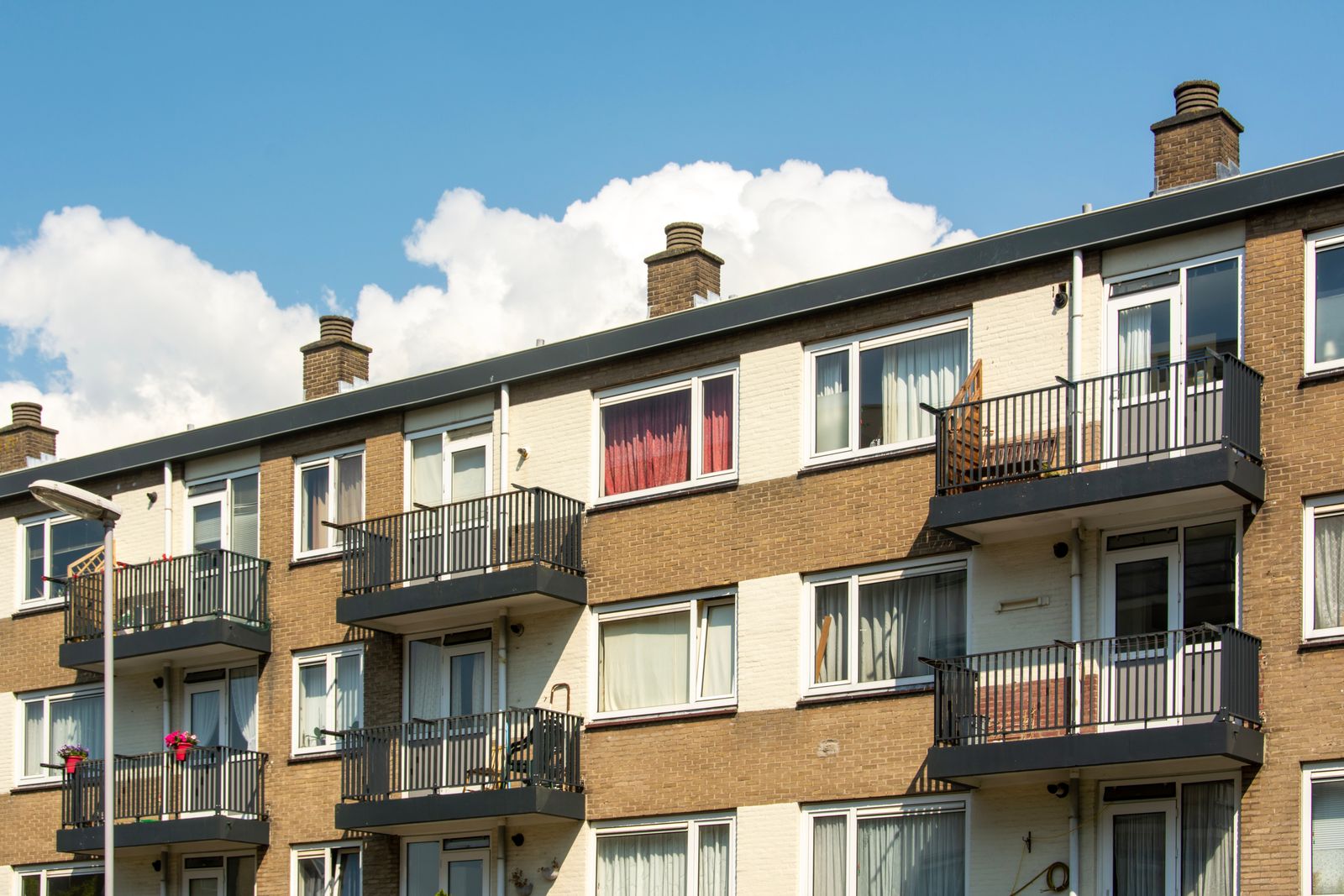
Noise from neighbours reaches you in two ways. It helps to know which of the two it is, because the cause and the solution differ.
Airborne noise
Voices, music, television, a barking dog. The sound starts in the air and passes through walls, floors, gaps and ventilation ducts. Turning it down or moving the speakers can already make a big difference.
Impact noise
Walking on a hard floor, a chair being moved, a door slamming, a washing machine on its spin cycle. Here the structure itself vibrates. The sound can carry far, even to homes that do not directly adjoin the source.
What that means for a case
- With impact noise the source is by no means always the direct neighbour. In a walk-up block it can be two floors up.
- A hard floor without underlay is a common cause and calls for a different conversation than music at night.
- In the diary it helps if the resident describes the type of sound: thudding and banging, or voices and music.
Further reading
When is noise a nuisance?
Footsteps, a washing machine, a crying child: living makes noise. Where does normal living end and nuisance begin?
Read the articleThe landlord's duty to act
A housing association does not have to make the nuisance disappear. It does have to show that a complaint was taken seriously.
Read the articleWhat does a decibel tell you?
Ten decibels more sounds twice as loud. A short explanation of the unit we measure in.
Read the articleHave your situation measured objectively.
Send us your question or case. You will hear back within one working day.